We like to think we are making calm, rational choices online. Then we catch ourselves opening the same app without a reason, trusting a headline because it feels familiar, or staying too long in a comment thread that leaves us tense. Digital habits often look small. Their mental effects do not.
Cognitive biases are mental shortcuts that shape what we notice, believe, and repeat online.
These shortcuts are not signs of low intelligence. They are part of normal human thinking. In our experience, the problem starts when fast judgment becomes invisible habit. A short scroll at breakfast turns into a stream of repeated opinions. A search for one answer becomes a hunt for proof that we were right from the start.
That is why identifying bias in daily digital behavior matters. We are not only watching content. Content is training our attention, emotion, and memory while we move through it.
Why digital habits make bias harder to see
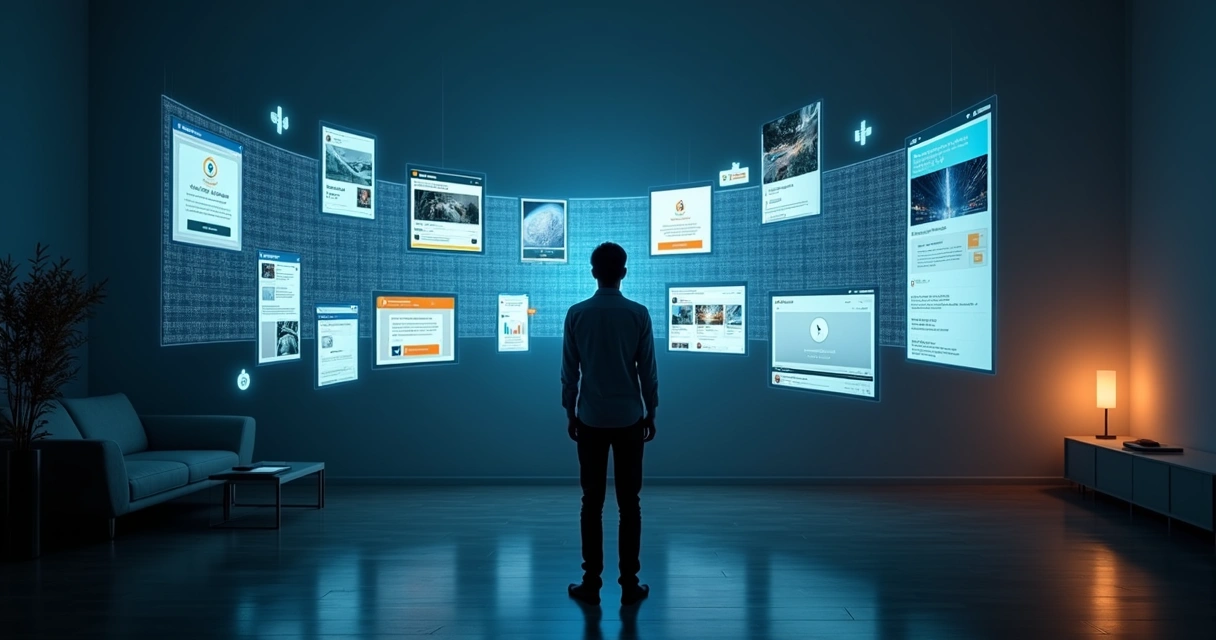
Offline life gives us pauses. We leave a room. A conversation ends. A newspaper closes. Online spaces often remove those natural stops. Feeds refresh, alerts return, and suggested content keeps the same theme in front of us. What feels like free choice may be guided by repetition, speed, and emotional triggers.
A recent national survey on online misinformation exposure found that 80% of Canadians encountered misleading, false, or inaccurate information online at least once a month, and 61% were very or extremely concerned. We think those numbers show something deeper than bad information alone. Repeated exposure changes what feels common, memorable, and true.
What repeats starts to feel real.
This is where availability bias appears. If we see the same type of claim many times, our mind may treat it as more common than it is. If a post confirms what we already suspect, confirmation bias can quietly take over.
Common biases hidden in daily screen time
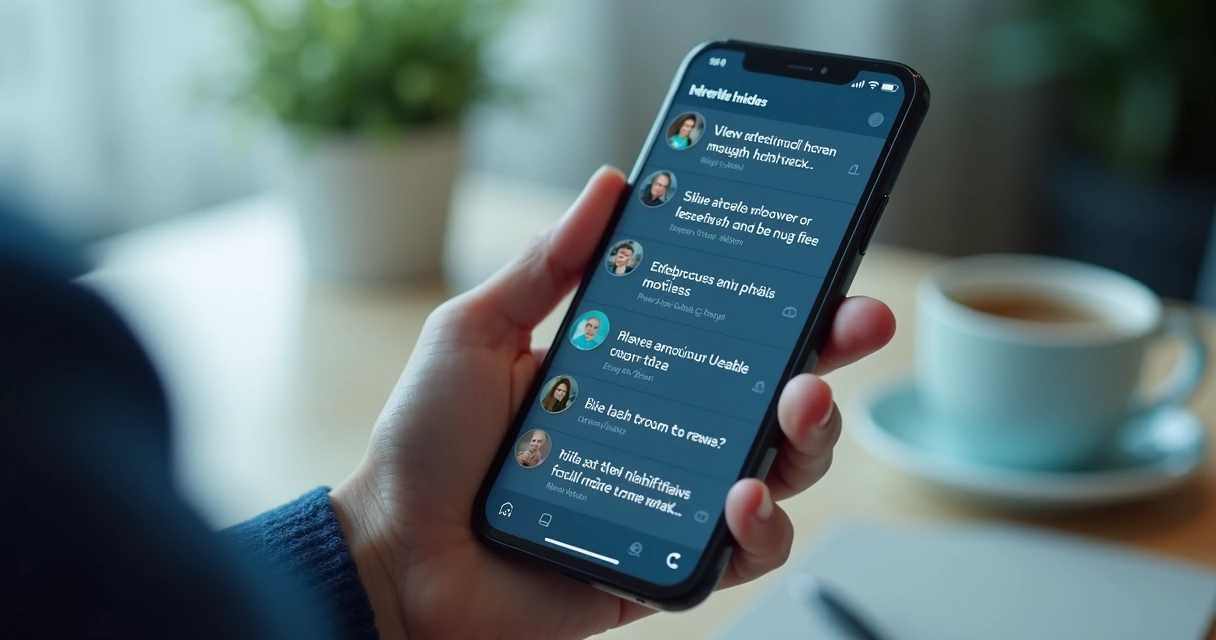
Most people do not wake up planning to think in a biased way. It happens in ordinary moments. We check messages while half awake. We read comments while tired. We watch one short video and get ten more like it.
Some biases show up more often in digital habits than others:
- Confirmation bias, when we prefer content that supports our current belief.
- Availability bias, when repeated or vivid examples feel more frequent than they are.
- Negativity bias, when alarming posts pull more attention than calm and balanced ones.
- Social proof bias, when likes, shares, and trends shape our sense of truth.
- Anchoring bias, when the first number, claim, or opinion frames everything that follows.
We have seen how subtle this can be. A person searches for sleep advice, clicks on two dramatic stories, and by night believes a rare problem is likely. The issue is not only the content. It is the path the mind takes through it.
How to notice bias while it is happening
Bias becomes easier to spot when we stop asking, “Is this true?” and also ask, “Why does this feel true to me right now?” That second question opens the door.
We can watch for a few signs in real time:
- We feel instant agreement before reading fully.
- We react strongly to a title and skip the details.
- We trust a claim because we have seen similar ones often.
- We dismiss a view fast because it sounds uncomfortable.
- We confuse popularity with accuracy.
A strong emotional reaction is often the first clue that a bias has been activated.
That does not mean emotional content is false. It means our judgment may already be leaning before our reasoning catches up. In our view, this is one of the most useful self-checks in digital life. If a post makes us feel pleased, angry, or afraid at once, we need a short pause before trust or sharing.
Patterns that reveal your own digital blind spots
Sometimes bias is not in one click. It is in the pattern of many clicks. When we review our own habits, a few questions help:
- Do we follow mostly people who think like us?
- Do we open links that support our view more often than those that test it?
- Do we spend more time on content that upsets us?
- Do we read comments before forming our own opinion?
- Do we confuse familiar claims with proven ones?
We think this kind of review works because it looks at behavior, not self-image. Many of us say we are open-minded. Our watch history, search terms, and saved posts may tell a different story.
There is also a wider social point. A cross-national study on conspiracy belief patterns showed that belief in many conspiracy theories stayed broadly stable over time rather than rising in one simple wave. That finding matters because our minds often prefer dramatic stories about sudden decline. Bias can shape not just what we believe, but how we imagine change itself.
Simple ways to interrupt biased digital habits
Once we can identify the pattern, we can loosen it. Not with guilt. With structure.
We suggest a few practical resets that fit normal daily life:
- Pause before sharing and ask what evidence changed your mind.
- Read beyond the headline, especially when you agree at once.
- Seek one solid view that challenges your first reaction.
- Turn off some alerts so urgency does not guide attention all day.
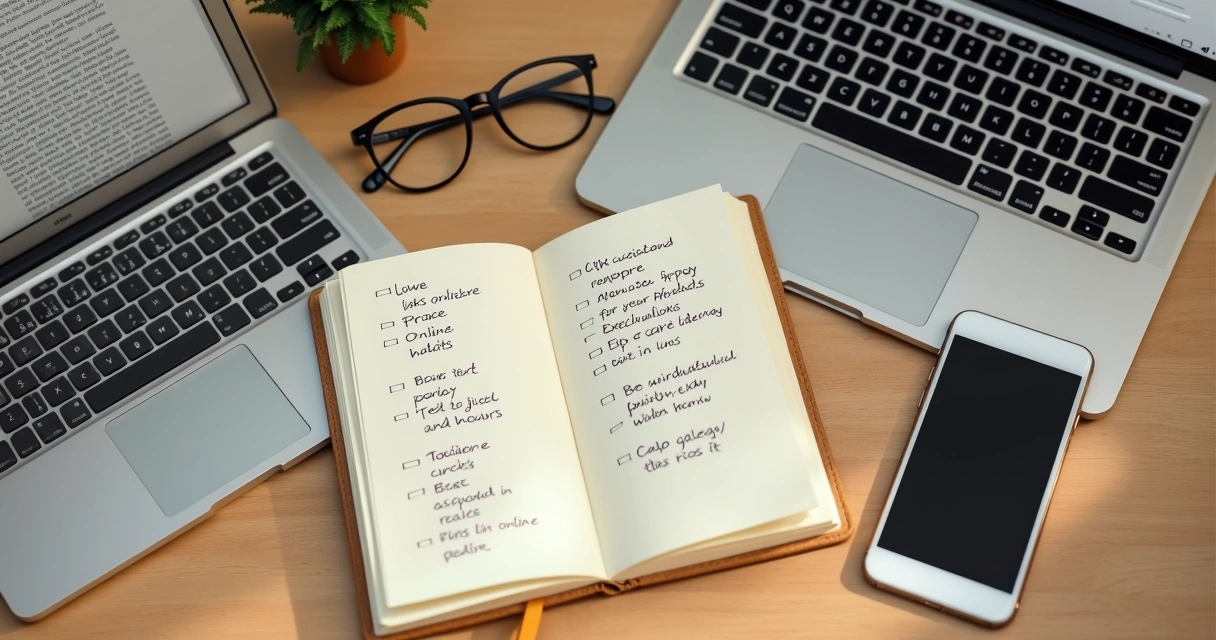
- Set one short check-in time to reflect on what kind of content filled your mind.
The goal is not to remove bias completely, but to stop living inside it without noticing.
We do not need perfect objectivity to think better online. We need honest interruption. A five-second pause can expose a whole chain of automatic thought.
Conclusion
Everyday digital habits shape the way we judge reality. They influence what we trust, what we fear, and what we repeat. Cognitive biases become harder to detect online because speed, repetition, and emotional cues keep them hidden inside routine behavior.
We can respond with more awareness. We can notice fast agreement, repeated claims, emotional spikes, and the pull of popularity. We can build short pauses into our screen time and ask better questions before believing, reacting, or sharing.
Awareness breaks autopilot.
When we identify cognitive biases in ordinary digital habits, we protect more than attention. We protect judgment, emotional balance, and the freedom to think with greater clarity.
Frequently asked questions
What is a cognitive bias?
A cognitive bias is a mental shortcut that influences how we interpret information and make decisions. It helps the brain act quickly, but it can also distort judgment. Online, this may lead us to trust familiar claims, prefer agreeable content, or react before checking facts.
How can I spot digital biases?
We can spot digital biases by paying attention to our reactions and habits. Fast agreement, strong emotion, repeated exposure, and trust based on likes or trends are common signs. If we ask why a post feels convincing before checking whether it is well supported, bias often becomes easier to see.
Why do biases affect online habits?
Biases affect online habits because digital platforms are fast, repetitive, and emotionally stimulating. This setting encourages quick judgment instead of slow reflection. As a result, our minds rely more on shortcuts, especially when we are tired, distracted, or already leaning toward a certain belief.
What are common digital cognitive biases?
Common digital cognitive biases include confirmation bias, availability bias, negativity bias, social proof bias, and anchoring bias. These can appear when we seek content that agrees with us, overestimate repeated claims, focus on alarming posts, trust what seems popular, or stay attached to the first idea we saw.
How to avoid biases in daily apps?
We can reduce bias in daily apps by slowing down our reactions, reading beyond headlines, questioning familiar claims, and exposing ourselves to more than one viewpoint. Small actions help, such as turning off some alerts, avoiding instant sharing, and checking whether a post feels true because it is well supported or simply because it is repeated often.